
Ferry electrification slips a year as Island demand rises
The first two electric vessels are late, the terminals are not ready for them, and the summer schedule they were bought for keeps growing.
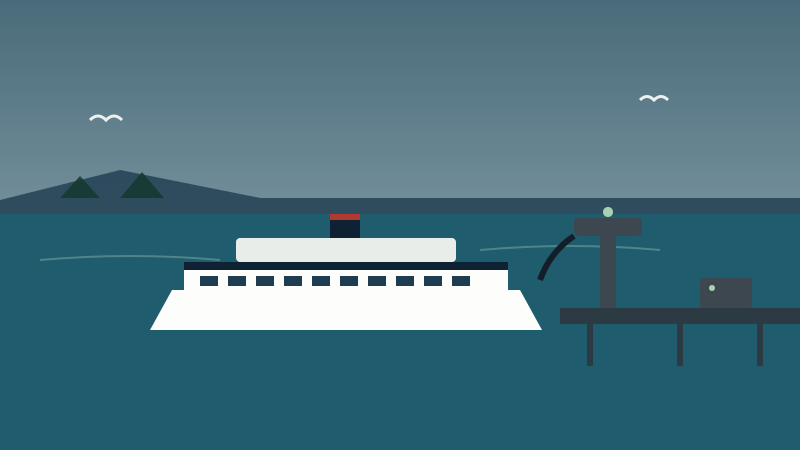
The ferry corporation's quarterly update, filed Friday, moves the first two battery-electric vessels a year to the right — and buried in the same tables is the reason the delay stings: traffic on the routes they were bought for grew again, for the fourth year running.
The vessels themselves are the smaller problem. The shipyard is late, which shipyards are; the corporation's penalty clauses are doing their patient work. The larger problem is on shore, where the terminal charging infrastructure — transformers, shore gantries, and a substation upgrade that belongs to the utility rather than the ferry corporation — is tracking a full season behind the ships that need it.
The result is the awkward scenario the electrification plan promised to avoid: new vessels arriving with nowhere to plug in, running on their backup generation while the civil works catch up. The corporation's update calls this "transitional hybrid operation." The engineers' union newsletter calls it "a diesel ferry with extra steps."
For the small-route communities watching the program, the schedule matters more than the propulsion. The electric pair frees the vessels they replace for the minor routes, whose own retirements are timed to that hand-me-down. A year's slip at the top of the chain arrives, eventually, at the dock of whoever is last in line.