
Coastal wolves are back on islands emptied by a decade of culls
Trail cameras on Aristazabal recorded four adults and two pups this spring, the first litter documented since 2014.
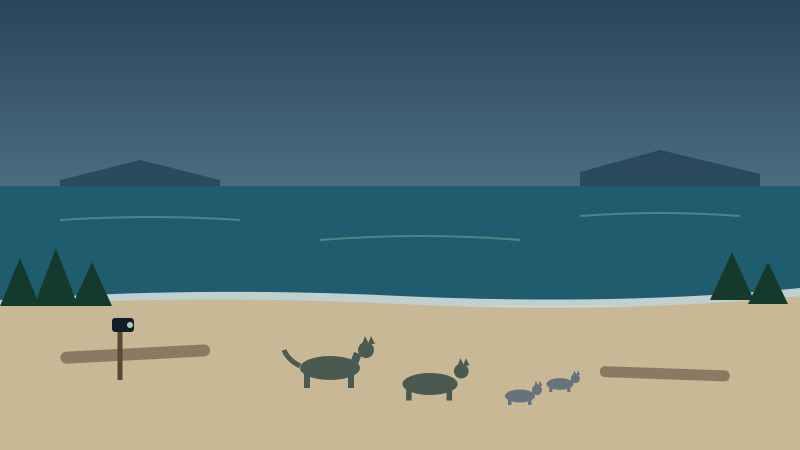
The trail cameras on Aristazabal Island recorded what the monitoring crews have waited a decade to see: four adult wolves travelling together this spring, and by June, two pups on the beach at the island's north end — the first litter documented there since 2014.
The island's wolves were emptied out through the cull years, when removal on the neighbouring watersheds pushed the survivors into gaps that trapping then closed. Coastal wolves are distinct enough — smaller, fish-eating, comfortable swimming channels that would qualify as marine crossings anywhere else — that biologists argued the losses were not replaceable from the mainland population. The cameras spent eight years suggesting they were right.
Recolonization, when it finally came, arrived the way the biologists predicted and could not schedule: a dispersing pair swimming island to island down the archipelago, denning where the deer are and the people are not. Genetic work on scat collected in April places the new animals' origin two islands north.
The monitoring program — a partnership between area nations' stewardship offices and a university lab — will keep the cameras running and the location data coarse. "The best thing we can publish about these animals," the program's coordinator said, "is a map with very little on it."